10 Techniques & Methods We Believe In
It’s 3 P.M. on an ordinary Tuesday. The homeowners are still at work. Nobody’s coming to inspect anything, yet the crew stops what they’re doing, puts the tools away, clears the debris, and sweeps the floor before they leave for the day. Months later, someone will walk into the finished room and say it feels different – calmer, cleaner, more right – without being able to say why.
A lot of what separates a project that ages beautifully from one that shows regrets has to do with how the work gets done. It’s the quiet discipline that happens before, during, and after the parts you’ll actually see.
Over our 50 years in this industry, we’ve turned that discipline into a list of non-negotiables for every project Ayars is involved with.
10: Full Floor Protection From the Start
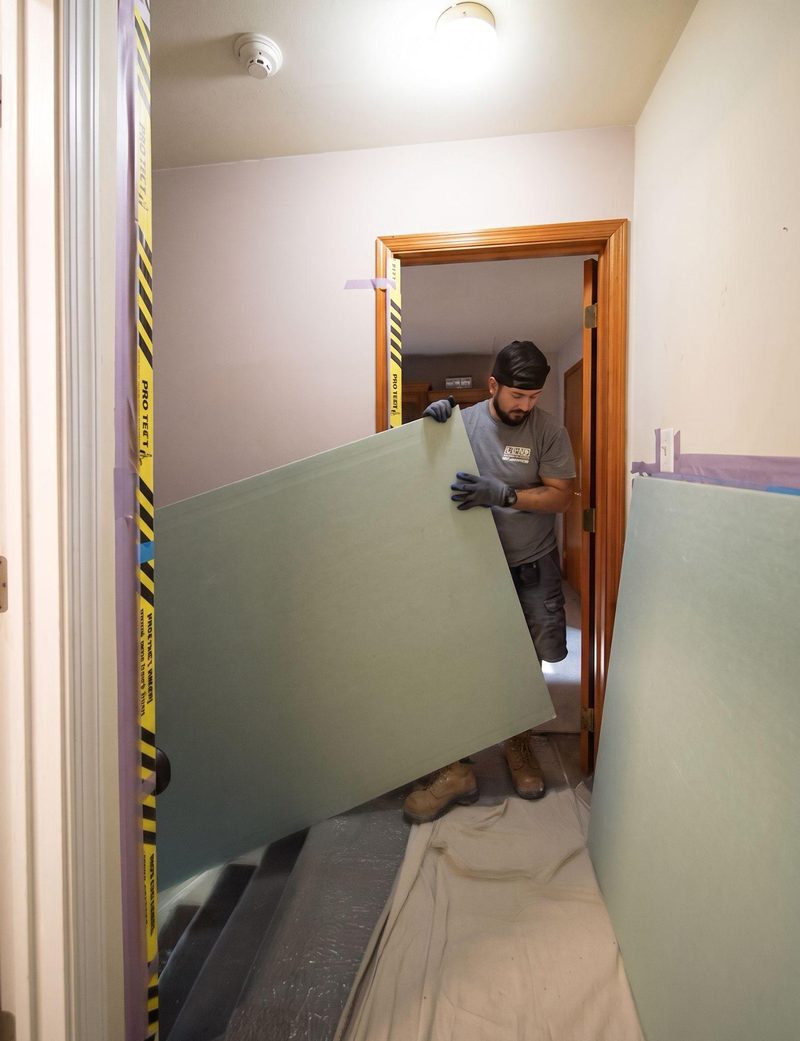
Before a single tool comes out, the floors get covered – and they stay covered until the last day of the job.
It sounds almost too simple to mention, but think about what moves through your home during a remodel: boots, ladders, heavy materials, dropped tools, foot traffic in and out for weeks. Protection from the first day on means the floors you’re keeping look the same when we leave as they did when we arrived.
Conversely, protection that goes down late (or gets pulled up early) is how floors get scratched, so we don’t leave that to chance.
9: Dust Containment & Negative Air
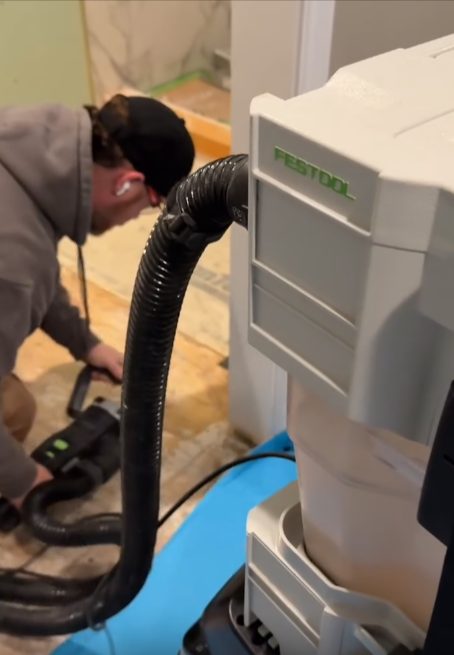
Dust is the part of remodeling homeowners dread most, and for good reason; left alone, fine construction dust finds its way into every room, every vent, and everything you own.
That’s why we don’t let it travel. We seal off work areas from the rest of your home, and where the job calls for it, we use negative air: fans and filtration that pull air out of the work zone. This way, dust gets captured and exhausted instead of drifting down the hall.
The key idea is that all dust gets managed at the source, as it’s created – not swept up afterward once it’s already settled across your living room. You can continue in the parts of your home we’re not working on, breathing clean air, while the messy work stays contained where it belongs.
8: Daily Jobsite Cleanup
Every workday ends the same way. The crew stops, and the site gets reset. Tools put away, debris cleared, surfaces swept.
This isn’t just about appearances. A clean jobsite is a safer one, with fewer trip hazards or misplaced tools. It’s also more efficient, because a crew that starts each morning in an organized space isn’t losing the first half hour hunting for what they need. And practically speaking, it means your home never becomes a construction pit you have to navigate around for weeks on end.
7: Layout Before Cutting Anything
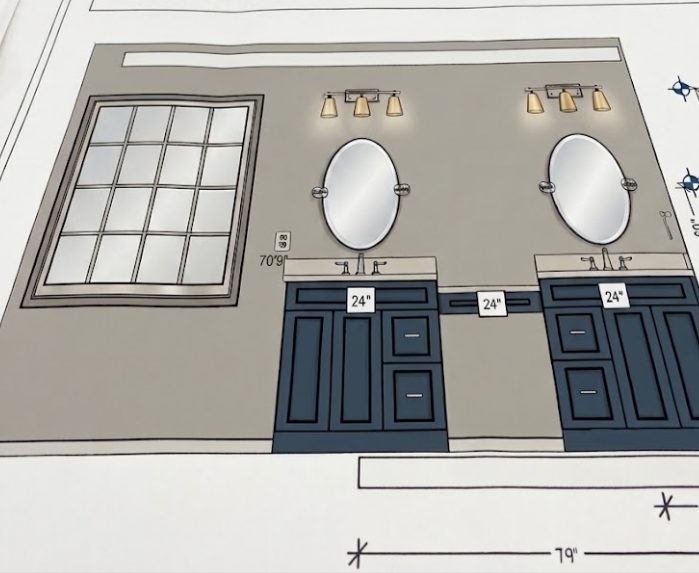
There’s an old carpenter’s saying – measure twice, cut once – and this is that principle scaled up to the entire project.
Before anything gets cut or installed, we establish the full layout, including center lines, reference points, and how every element relates to each other. We work the whole plan out on paper and in the physical space first, so decisions are made deliberately instead of improvised halfway through with a saw already in hand.
Because in the end, a quality tile floor only looks effortless when the layout underneath it worked out in advance.
6: Dry-Fitting Critical Assemblies
Before any complex component gets permanently installed, we test-fit it first, assembled and held in place without being fastened down.
Why the extra step? In a build, small imperfections compound. A joint that’s off by a hair, a wall that isn’t perfectly square, a component that’s a touch out of spec – any one of these is minor alone, but stacked together they might throw a whole assembly out of alignment. Dry-fitting catches those problems while they’re still easy (and cheaper) to fix, before being made permanent with screws.
It’s the difference between finding a problem when it costs five minutes and finding it when it costs tearing finished work back out. Needless to say, we’d always rather catch it in the dry-fit!
5: Photo Documentation at Rough Stages
Before walls get closed up, we photograph what’s behind them. This means the plumbing, electrical, and structural work that’s about to disappear from view.
Once drywall goes up, everything inside that wall becomes invisible as well as hard to access. If a question ever comes down the road (i.e., where a pipe runs, how something was framed, whether a line is where it should be), those photos are the answer. It protects you, our client, because there’s a clear record of exactly what was done inside your walls. And it protects the integrity of the build, as nothing gets hidden that wasn’t done right.
Think of it as an honest record of the parts of your home you’ll never see again. Proof that what’s behind the wall is as sound as what’s in front of it.
4: Pre-Drywall Trade Verification
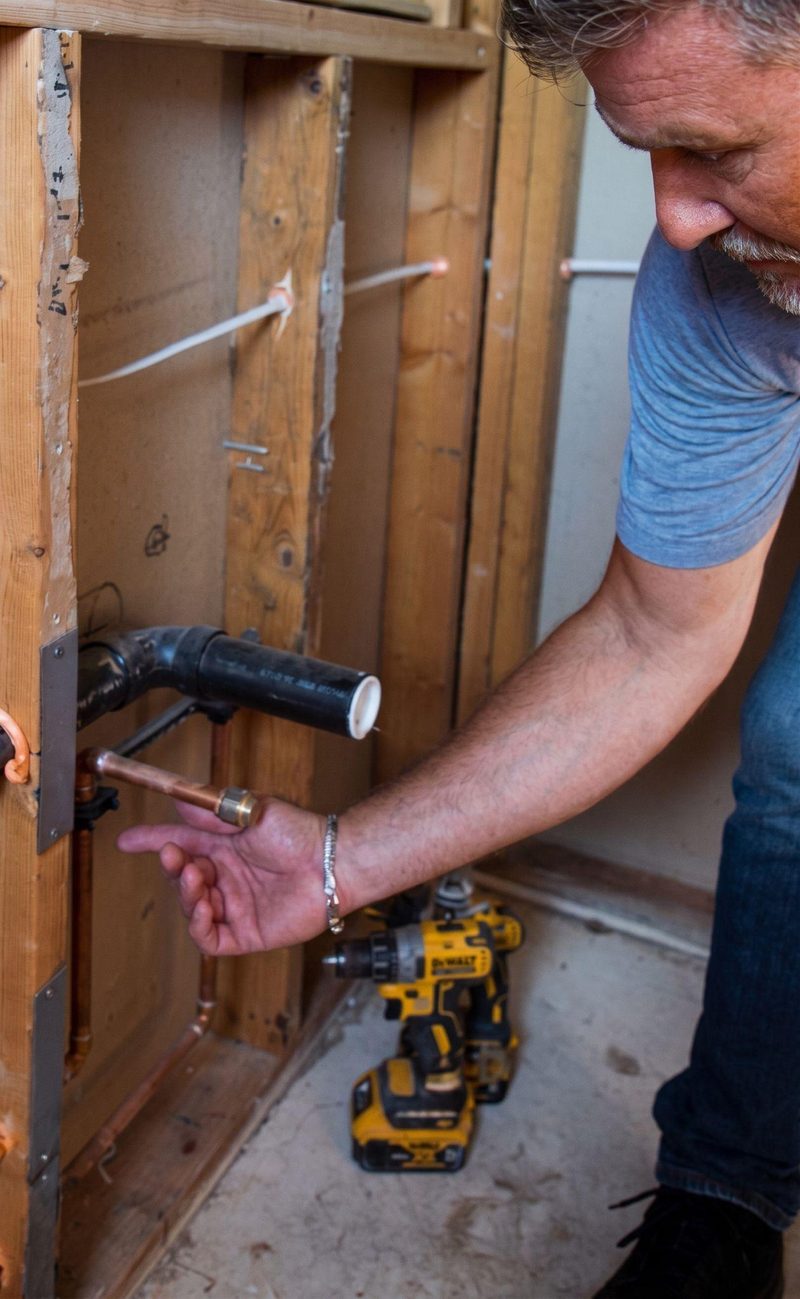
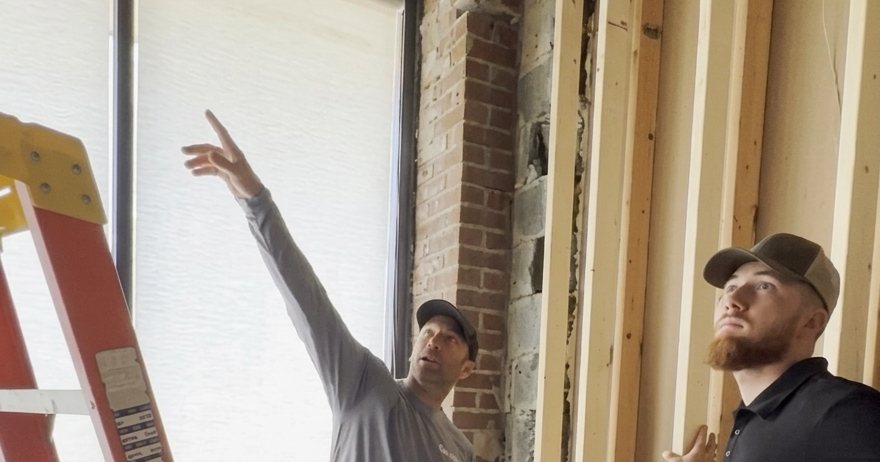
Closing up a wall is a point of no return, so before we reach it, the plumbing, electrical, and HVAC all get verified.
It’s tempting on any job to figure the rough-in work is done and move on. But at Ayars, we don’t work on assumptions; every system that’s about to be sealed behind drywall gets checked against the plan and confirmed correct first.
This is one of those standards you’ll never directly see the benefit of – which is exactly the point! It’s also the reason you won’t be opening a finished wall six months from now.
3: Consistent Client Communication
A remodel is weeks of your life combined with a significant investment, and being kept in the dark through it is genuinely stressful. So we avoid that issue entirely by keeping you in the loop, every step of the way.
Throughout the entire project, you’ll get clear, scheduled updates on where things stand, what’s happening next, and anything that needs a decision from you. No wondering whether work happened this week. No surprises that could have been a conversation. Just a steady line of communication so you always know precisely where your project is.
The finished room matters enormously, but so do the weeks getting there. A project where you’re informed the whole way through is an integral part of what we’re building, not a nice-to-have on the side.
2: No Trade Stacking
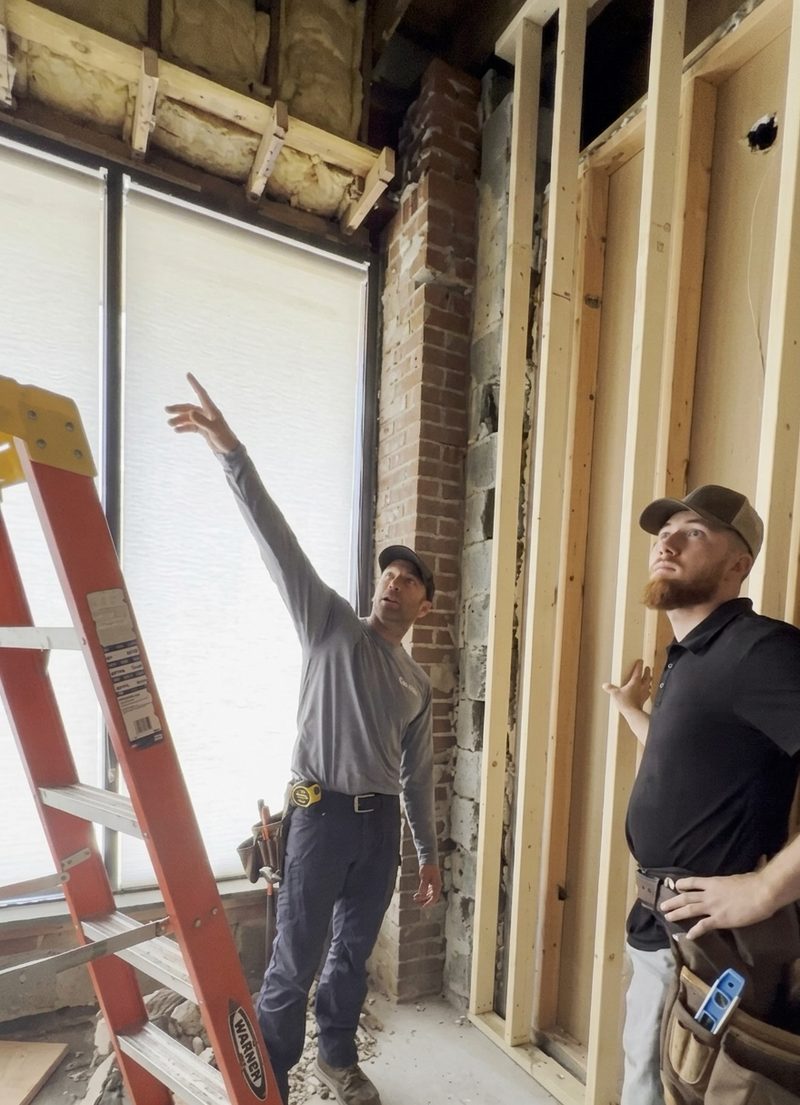
On a lot of job sites, speed tempts crews to run multiple trades in the same space at once. An electrician working around the plumber, working around the tile setter.
We don’t stack trades here. One team member works at a time, in the right sequence.
When trades overlap, quality suffers. Workers rush, step over each other, and make compromises to stay out of one another’s way – and mistakes that result get built right into your home. Sequencing the trades properly, one clean handoff to the next, means each craftsman has the room and focus to do their part correctly before the next begins.
Yes, it can look slower from the outside. But “fast” that has to be redone isn’t truly fast, and it certainly isn’t what you paid for. When you partner with Ayars, things are done in the right order, done once, done right.
1: Built to Manufacturer Standards
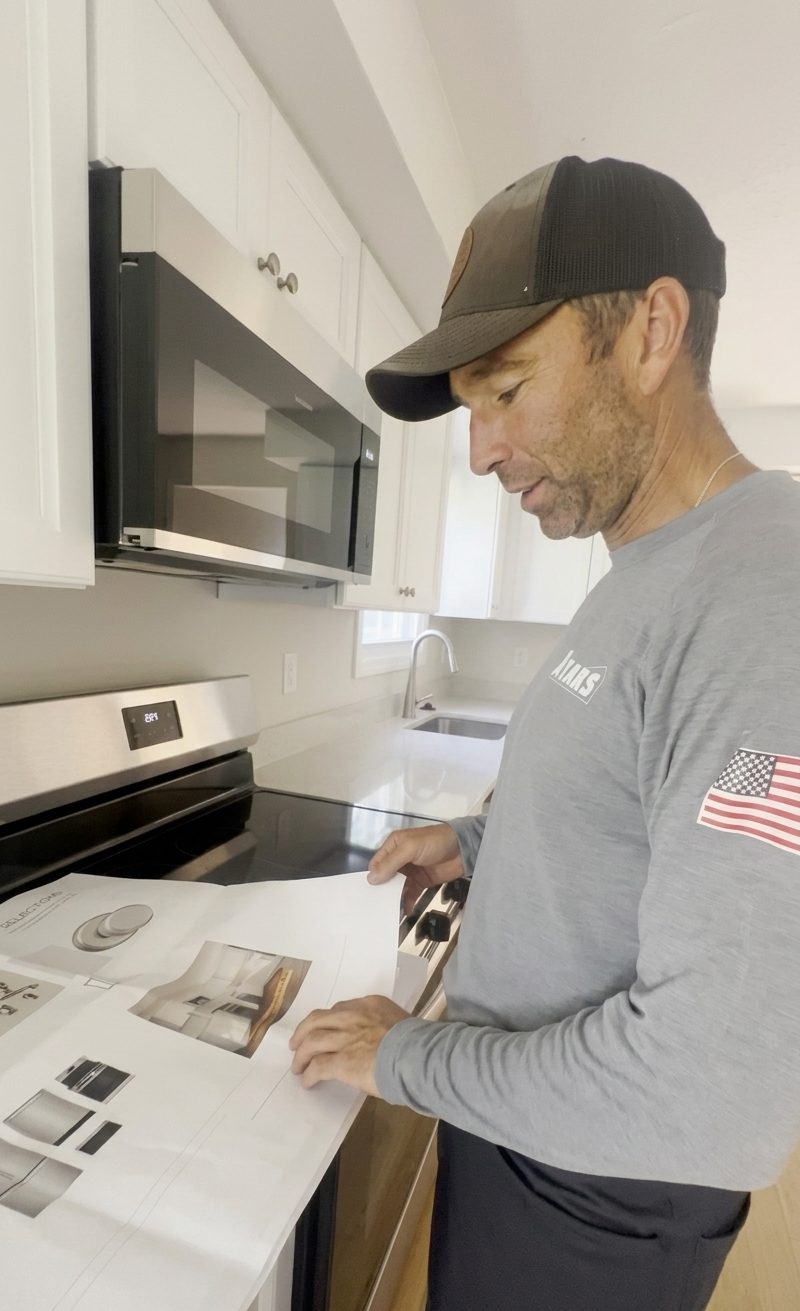
Every product we install goes in the way its manufacturer specifies. That means we actually read the product literature, use required materials, and meet the conditions that keep the warranty intact.
It’s more work up front, but it’s also the fine line between a product that performs as it’s supposed to for years and one that fails early because a step was skipped. When a manufacturer stands behind their product, it’s because it was installed correctly – and that protection only holds if the installation earned it.
This is the gold standard underneath all the others: do it the right way, the way it was engineered to be done, so the finished result performs as intended.
Cut No Corners with Ayars
None of these things show up in a photo. You can’t see daily cleanup or a dry-fit or a verified rough-in.
What sets us apart isn’t one big thing. Instead, it’s a bunch of little things that aren’t really so little after all. We follow these techniques because we believe in our craft, whether anyone’s watching or not.
Ready to work with a team that sweats even the invisible details? Schedule your free consultation and let’s talk about your project!